|
|
|
|
QUAINT AND CURIOUS VOLUMES OF FORGOTTEN LORE
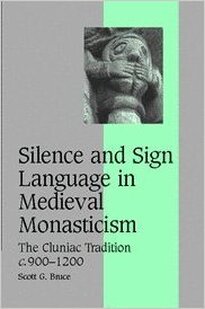
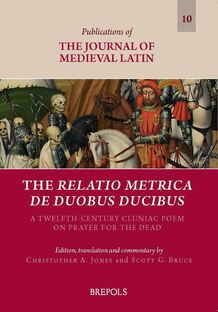
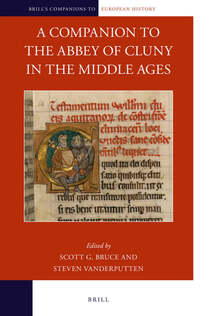
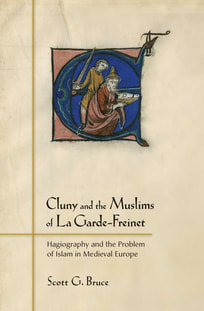
A scholar of the history of Christianity in the Middle Ages, Scott G. Bruce has written widely on the frontiers of the monastic imagination in premodern Europe. His books treat a diverse range of topics in medieval religious and cultural history, from monastic sign language to European perceptions of Islam to the meaning of the restless dead in medieval culture.
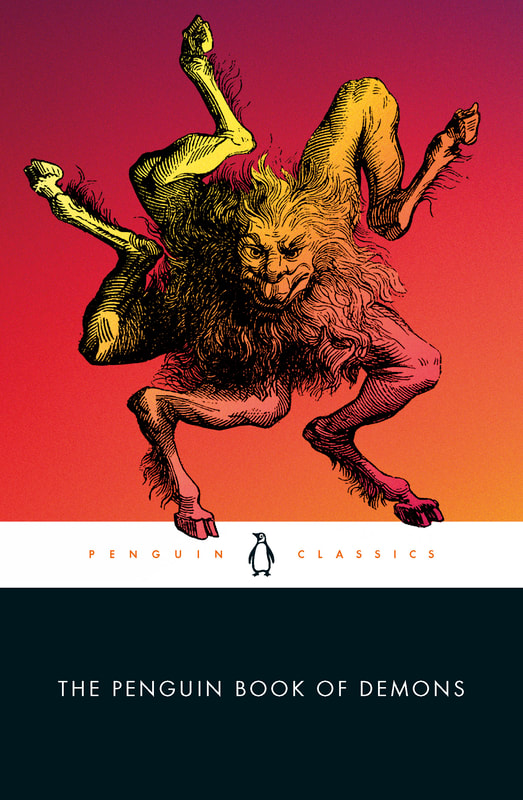
SGB's most recent book is The Penguin Book of Demons (Penguin Classics, 2024). For millennia, societies have told tales of their fears incarnate—otherworldly couriers of plague, death, temptation, and moral decline. Drawing from three thousand years of religious traditions and world literature, The Penguin Book of Demons follows these supernatural creatures—and the humans who have hunted and been haunted by them—through accounts across cultures and continents, including: the daimones of ancient Greece and Rome; the Nephilim, giant, biblical half humans who stalked the earth before the Great Flood; corrupted angels, condemned to eternity in Hell; the djinn of Islamic Arabia; the female, child-eating gelloudes of Byzantium; the seductive incubi and succubi of northern Europe; the animal spirits of early modern China; and the cannibalistic wendigo of Native American folklore. From demonic possession to black magic, these accounts give life to a spellbinding, skin-crawling history of the paranormal.
SGB's most recent book is The Penguin Book of Demons (Penguin Classics, 2024). For millennia, societies have told tales of their fears incarnate—otherworldly couriers of plague, death, temptation, and moral decline. Drawing from three thousand years of religious traditions and world literature, The Penguin Book of Demons follows these supernatural creatures—and the humans who have hunted and been haunted by them—through accounts across cultures and continents, including: the daimones of ancient Greece and Rome; the Nephilim, giant, biblical half humans who stalked the earth before the Great Flood; corrupted angels, condemned to eternity in Hell; the djinn of Islamic Arabia; the female, child-eating gelloudes of Byzantium; the seductive incubi and succubi of northern Europe; the animal spirits of early modern China; and the cannibalistic wendigo of Native American folklore. From demonic possession to black magic, these accounts give life to a spellbinding, skin-crawling history of the paranormal.
|
|
|
|
|
|
|
|
|
|